Funders vs. Funding Administrators: Why Both Matter (and Why the Roles Are Different)
When we’re out filming, whether it’s in a wetland at sunrise or deep in the woods chasing a story, most people don’t see what it actually takes to get a documentary to that point.
They see the final film. The images. The story.
What they don’t see is the structure behind it. The many hours. The nurturing of an idea from concept to an independent documentary pitch to pursuing funding. And a big part of all that process comes down to two roles that often get lumped together: funders and funding administrators.
They’re connected, but they’re not the same thing. And understanding that difference helps everything run smoother, from expectations to agreements, understanding creative and distribution rights, and how the film ultimately reaches an audience.
Let’s take a closer look at the roles for an independent documentary project:
Funders: The Reason the Film Can Exist
Funders are the ones who step in and say, “Yes, this story matters. Let’s make it happen.”
They’re the reason we’re able to go out and do the work properly. Not rushed. Not cut-corner. Not “good enough.” Done right.
Their support goes directly into the filmmaking itself: time in the field, cameras rolling, long days in the edit suite shaping something that actually means something when it’s finished.
Without that kind of backing, most conservation documentaries just wouldn’t happen. Or they’d happen in a much smaller, quieter way that doesn’t reach very far.
And the whole point of this work is to reach people.
Funding Administrators: Keeping Things Organized Behind the Scenes
Funding administrators play a different role, and it’s an important one…but it’s quieter.
They’re not there to drive the creative or shape the film. They’re there to help the process work.
In many cases, they’re helping manage or administer the funding: making sure things are handled properly, that support flows where it needs to go, and that the project stays organized from a funding standpoint.
It’s not a creative role. It’s not a decision-making role in the filmmaking.
It’s a support role that helps keep things steady behind the scenes.
Why This Distinction Matters
This is where things can get blurry if it’s not clearly understood.
A documentary isn’t just a project. It’s a story that needs to be told with care, independence, and a clear creative direction.
That’s why the roles matter:
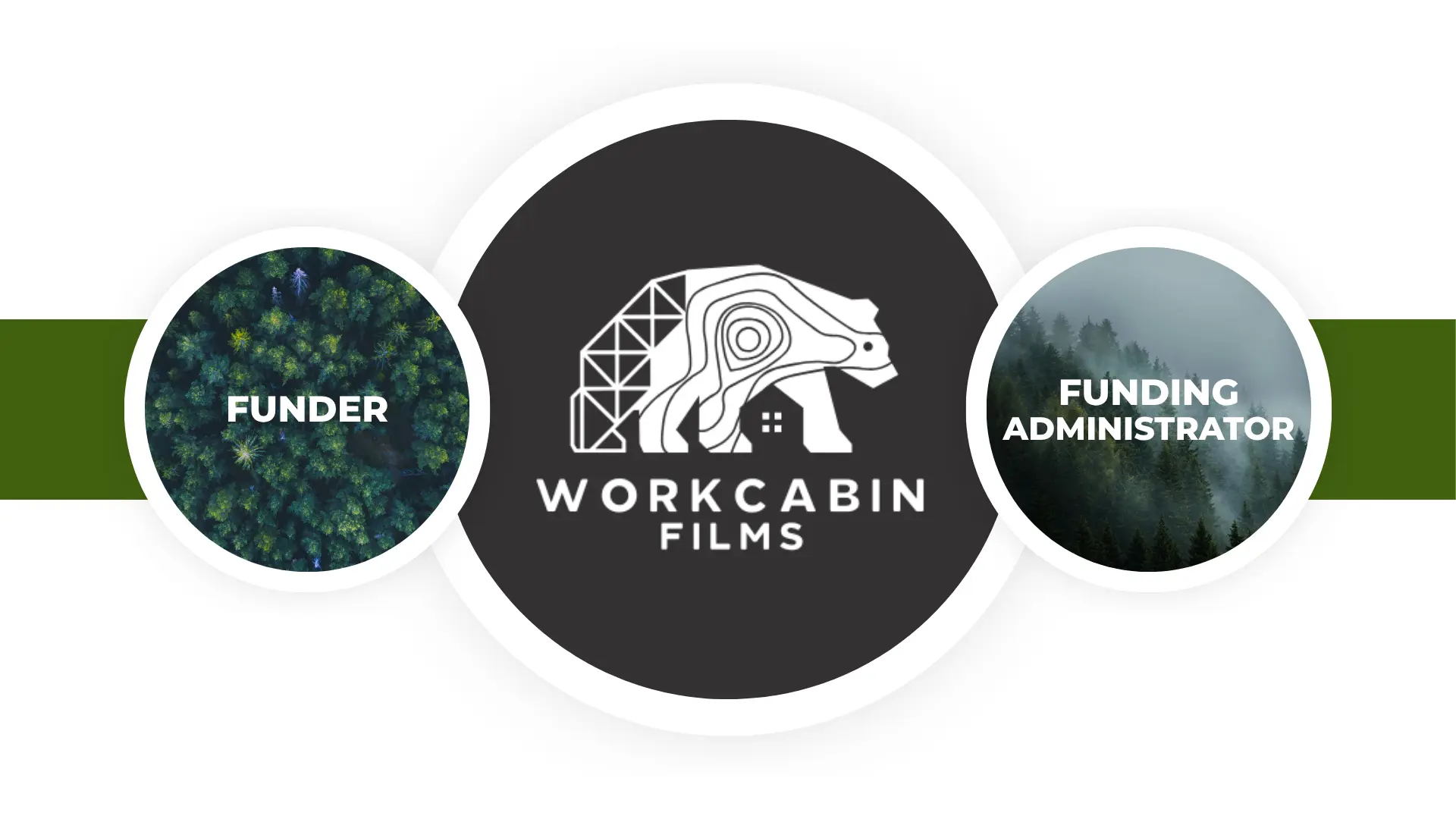
- Funders make the film possible
- Funding administrators help the process run properly
And the filmmaker is responsible for actually telling the story and bringing it to life.
When those lines are clear from the beginning, everything works better. There’s less friction, fewer misunderstandings, and more focus on what actually matters: making a film that connects with people.
The Bigger Picture
At the end of the day, this isn’t just about getting a film finished.
It’s about creating something strong enough to stand on its own. To move through film festivals, into theatres, and into distribution and broadcast opportunities where it can actually reach an audience.
Because impact doesn’t happen in the edit suite. It happens when people watch the film and feel something.
And that only works when the right structure is in place behind the scenes.

- Choosing Music for Conservation Films: More Than Just Background Sound - September 14, 2026
- We’re Looking for Conservation Partners - August 25, 2026
- What “Independent” Means at WorkCabin Films - August 23, 2026