
How to Make a Conservation Film That Makes a Difference
I had a great conversation the other day during a meeting to discuss a current documentary project that is in production. It’s this: Getting People To Care More About Conseration.
And that leads into what our role is as conservation filmmakers and how we can craft films that achieve this goal.
If you’re reading this, you already care enough to want your film to go beyond pretty nature shots. You want it to mean something.
Here’s my awesome checklist that I use for how to make a conservation film that doesn’t just inform, but inspires real change.
1. Start with Purpose, Not Just a Topic
A lot of filmmakers start with what they want to film — wolves, wetlands, forests— but they don’t always ask why. Start by asking yourself:
What is the emotional core of this story? What change do I want to see in the world because of this film?
That answer becomes your compass. Everything else (shots, narration, interviews) should steer toward that purpose.
2. Find the Human Thread
Conservation is about nature, yes. But to make people feel, you need humans in the story, those who protect, study, live with, or are impacted by nature. Audiences relate to people.
Tell the story of a biologist living in a cabin studying frogs in silence. A farmer adapting to co-exist with coyotes. An elder remembering a forest as it was before logging. These are the stories that leave an imprint.
3. Don’t Preach. Invite.
It’s tempting to make films that shout about destruction, crisis, and what humans are doing wrong. But outrage alone rarely motivates sustained action.
Instead, invite your viewers into the story. Guide them toward understanding. Use awe. Use quiet. Use storytelling that builds trust and doesn’t assume your viewer is already on your side.
Empathy goes further than blame.
4. Shoot with Intention, Not Just Beauty
Yes, cinematic drone shots of forests are gorgeous. But don’t fall into the trap of creating a highlight reel. Every shot should serve your story. Use visual contrast. Let silence breathe.
Some of the most powerful scenes in conservation films aren’t dazzling, they’re raw. A single muddy footprint. A lone frog call at dusk. The empty space where an old-growth tree once stood.
5. Work with People Who Live It
If your film is about conservation, work with people on the ground. Local scientists, Indigenous knowledge holders, farmers, rangers, birders. These people carry the real story. They are the bridge between viewers and the land. Don’t just interview them, collaborate with them.
Their words carry authenticity. And authenticity builds trust.
6. Craft a Film That Ends with Hope
It’s easy to leave viewers heartbroken and hopeless. But if we want action, we must leave a window open. Show what’s working. Show people who are trying. Remind viewers that they’re part of this planet and not just spectators.
A film that ends with despair gets turned off. A film that ends with possibility? That gets shared.
7. Plan for Impact Beyond the Screen
A film alone doesn’t change the world. But a film plus action does. Think beyond your premiere:
Can your film be shown in classrooms or council meetings?
Will NGOs or conservation groups use it in campaigns?
Can it help secure funding or awareness for boots-on-the-ground work?
Build relationships with those who can use your film as a tool, not just entertainment.
8. Measure Success by Change, Not Views
Views are great. Awards feel nice. But real success is when your film causes something to shift, be it legislation, donations, community support, hearts changed.
Sometimes, the most impactful conservation film you make is one that a small group of decision-makers sees and acts on.
Final Thoughts
Conservation filmmaking is not just an art. It’s a responsibility. It’s standing between wild and loss and choosing to tell the stories that matter, even when it’s hard, even when the world isn’t listening yet.
But if you tell them well, with care, truth, and heart, they will listen.
And change will follow.

- We’re Looking for Conservation Partners - August 25, 2026
- What “Independent” Means at WorkCabin Films - August 23, 2026
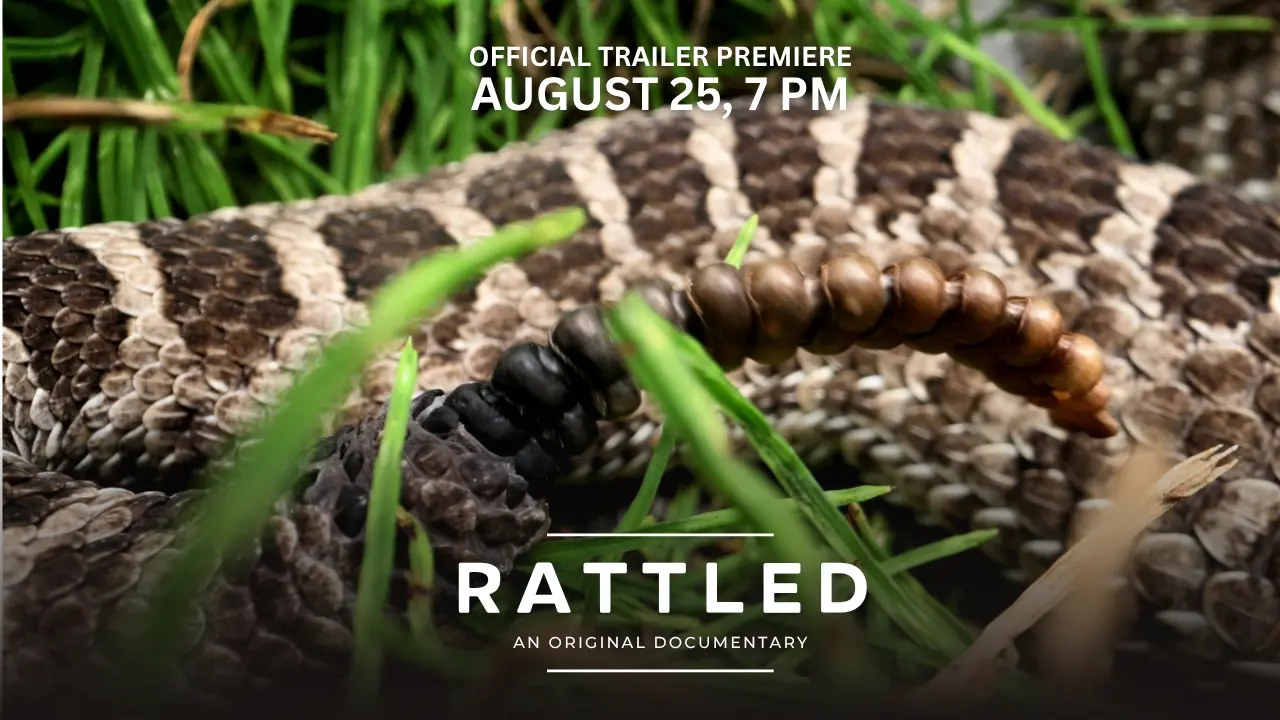
- The Official Trailer for Rattled Arrives August 25 - August 6, 2026