The Documentary Funding Playbook Has Flipped (Kind Of)
There was a time when the path to making an independent conservation documentary was fairly straightforward, even if it was financially punishing.
You had an idea, and before anyone else believed in it enough to invest, you believed in it enough to spend your own money. You paid for the first shoots yourself, maybe leaned on a credit card or two, and kept filming until you had something tangible. Only then did you start knocking on doors looking for grants, sponsors, or a distributor. Funding came after the work, once you could show people more than just a vision.
That first step hasn’t really changed.
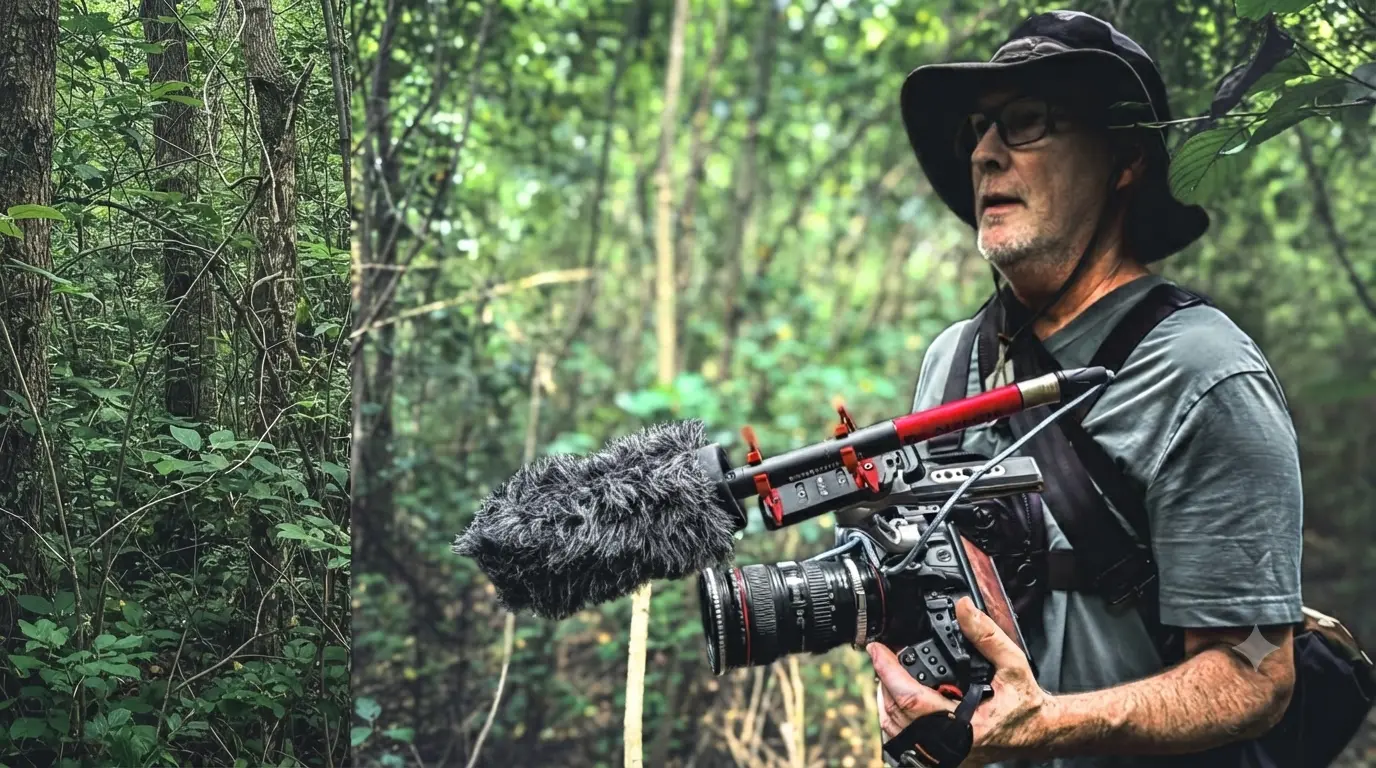
Most documentaries still begin with the filmmaker taking the initial risk. You invest your own time and money developing the idea, building relationships with collaborators, and gathering enough early material to demonstrate the project’s potential. In most cases, nobody is writing a cheque before you’ve filmed a single frame. The willingness to begin before the funding exists is still part of the job.
What has changed is everything that follows.
Filmmakers used to wait until they had a rough cut before seriously pursuing funding. Today, support often arrives while the film is still taking shape. Grants can be awarded based on strong early footage and a compelling vision. Co-producers and partners often join once a project has proven its potential, bringing both financial backing and valuable expertise. Licensed community screenings of work-in-progress cuts can generate revenue long before the final film is finished. Crowdfunding helps bridge the gap between production phases. Impact producers are now developing outreach and distribution strategies while cameras are still rolling.
Very little waits until the end anymore.
The search for the next grant, the next sponsor, the next screening partner, or the right collaborator has become part of the production process itself. It’s no longer something you tackle after the film is complete. It’s woven into the work from beginning to end.
That shift has made a meaningful difference. Instead of carrying the entire financial burden for years, filmmakers can build support gradually as the project gains momentum. The risk doesn’t disappear, but it becomes shared, spread across milestones rather than resting entirely on one person’s shoulders.
It also gives projects room to evolve. Stories rarely unfold exactly as planned. A documentary may need more time, better access, or an entirely different direction once filming begins. Today, it’s much easier to bring in a grant, a co-producer, or a new partner midway through production than it was a decade ago, allowing the film to grow alongside the story.
Starting on your own dime was never a flaw in the process. In many cases, it’s still the only way to prove a story is worth telling. The difference today is that self-funding doesn’t have to carry the project all the way to the finish line. That early leap of faith is still essential, but it’s increasingly joined by partnerships, funding, and collaboration that arrive as the story unfolds.

- Choosing Music for Conservation Films: More Than Just Background Sound - September 14, 2026
- We’re Looking for Conservation Partners - August 25, 2026
- What “Independent” Means at WorkCabin Films - August 23, 2026