
We Have To Chase Conservation Stories Before It’s Too Late
Sometimes (actually often!) there are conservation stories that need to be captured now. Not next year. That’s definitely a reality for some projects that WorkCabin Films is pursuing in 2025. We started chasing these projects just as deadlines for many funding streams had ended in Canada, and new funding streams had not come online yet. And having a federal election in April only added to the uncertainty of environmental funding and grants. I called it the triple whammy effect.
Nevertheless, we can’t stand still. In documentary filmmaking, stories often come first, funding, much later.
This blog is my reality, truth bomb about the conservation documentary filmmaking business that I hope motivates you to start filming today rather than tomorrow.
For many filmmakers, the spark that ignites a documentary project isn’t a well-funded production plan, but an urgent, sometimes overwhelming need to tell a story. Whether it’s a vanishing species, or a deeply personal narrative, the subject matter often commands a now-or-never approach. Waiting for grants or funding simply isn’t an option.
There’s really only one choice: The camera has to start rolling. Not because funding is secured, but because waiting would mean losing the rawness and truth of that unfolding moment.
This is the reality of many independent productions: they begin with a leap of faith.
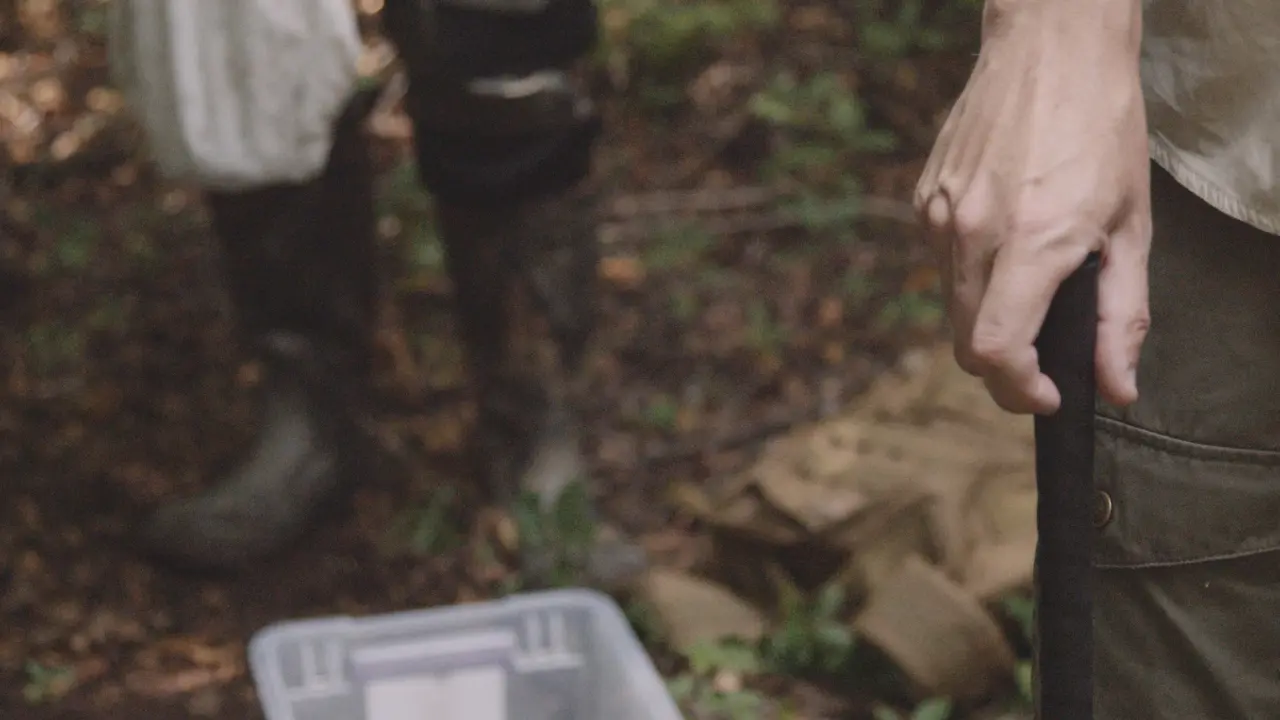
Filmmakers often work solo in the field to capture initial footage. It’s not uncommon to shoot for weeks or months before any formal funding is in place. These early days of filming a project in the field become our proof-of-concept reels that will help secure the next stage of support. Grants, pitch forums, and crowdfunding campaigns may follow, but the momentum usually starts with passion not paperwork.
Of course, all hours, expenses, and travel are logged. Because we have to get back (hopefully through funding) our personal investment in getting a project started.
There’s a rugged authenticity to this approach. It means filmmakers aren’t constrained by waiting for permission to begin. They shape their narratives organically, following leads and emotions as they evolve, rather than fitting stories into a pre-approved framework. But it also comes with risks. The road is often uncertain, and exhilarating at the same time, but the reward is a film that reflects the filmmaker’s deepest convictions.
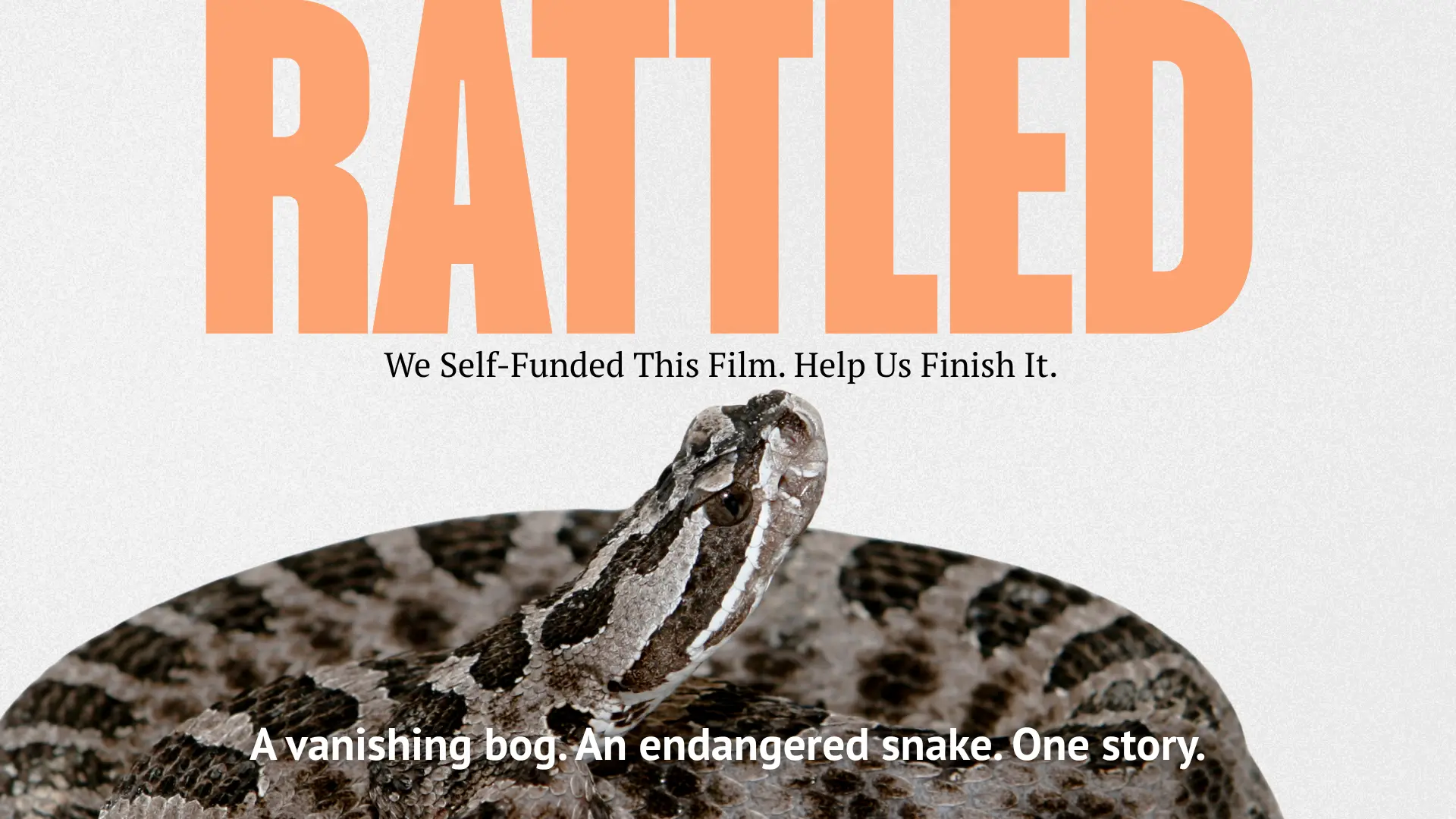
What drives this urgency? Often, it’s the belief that a story must be told now, not later. It’s hard-wired into our love of nature that if a voice isn’t amplified today, it may be silenced tomorrow. For many independent filmmakers, especially in conservation, the cost of waiting can be irreversible for a salamander, reptile, bird, other species or habitat.
I suppose this approach gets to the crux of why we do what we do as conservation filmmakers: storytelling still has the power to come from the heart first, not the wallet. When you think of this way, that’s a mindset so many of us share with the conservation researchers we film. They, too, are often doing their work from the heart first, not the pay.
And this why we so often have to chase the story before it’s too late.

- We’re Looking for Conservation Partners - August 25, 2026
- What “Independent” Means at WorkCabin Films - August 23, 2026
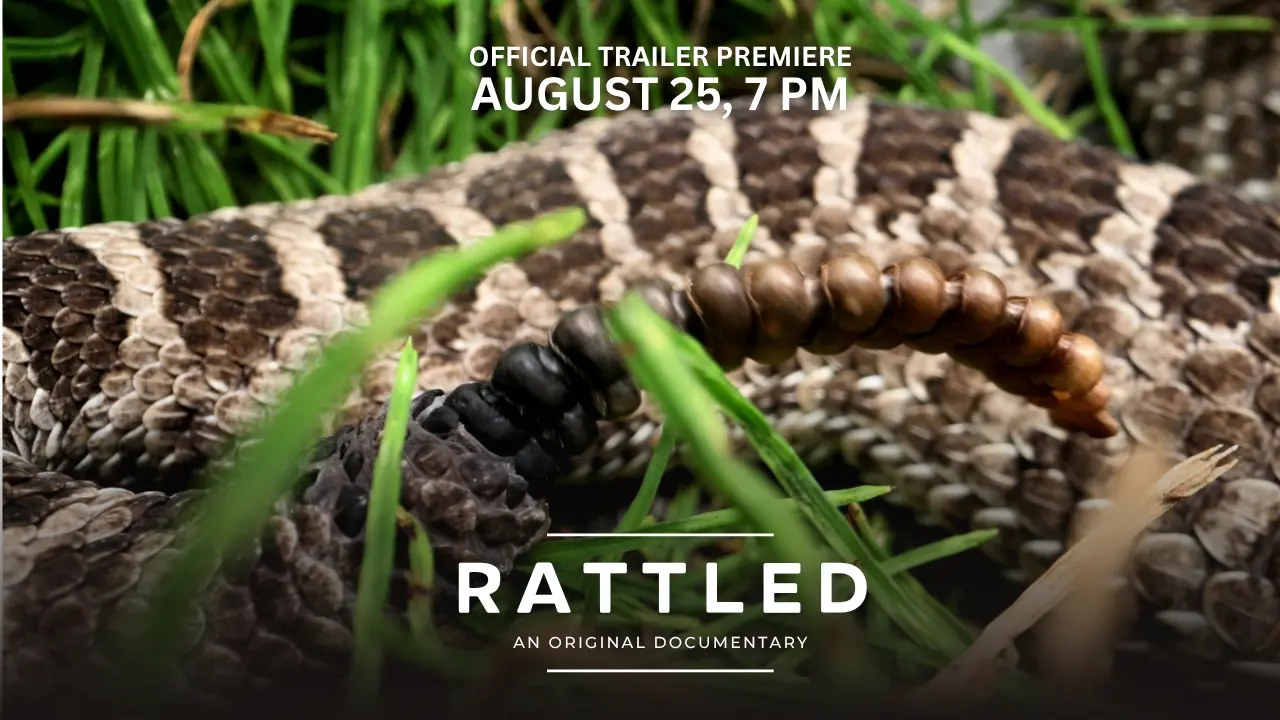
- The Official Trailer for Rattled Arrives August 25 - August 6, 2026