What We’re Up To: Spring 2026
We’ve been a little quiet updating our Journal blog here for the past month, but that doesn’t mean we’ve been putting up our feet and relaxing. Spring, the annual arrival of field season for many biologists, is off to a very busy start for us too.
With five conservation documentaries at various stages of production, it’s going be a steady year in the field.
So we thought we’d give you a little behind-the-scenes insight into what has been happening, and what’s involved in doing what we do:
Film festival submissions
We submitted our newest feature film Destiny Wild | Disappearance Isn’t The End Of The Story to several A-list film festivals in Canada. We’re very excited and hopeful about this feature film’s potential to travel far. It sheds light on human impact on ecosystems that began with settlement in the late 1700s. It makes audiences think and rethink our footprint and actions on the land, through the wisdom of an Indigenous Knowledge Keeper. And it’s a documentary that provides hope and shows real evidence that humans can help reverse historical loss of species from landscapes… and create conditions for some of those ‘lost’ species to find their way ‘home’ again.
Funding applications
Like most folks in the conservation filmmaking business, we’ve been busy finishing up funding applications to meet submission deadlines. We just received some exciting news a few weeks ago about a successful funding application for cross-border funding for a documentary currently in production. Funding is how we’re able to film and produce the documentaries that we create. It’s usually not a single funding source that covers the cost of production. So we’re always seeking out sponsors and funding avenues to see documentaries through to completion and release.
And here’s the thing about securing funding: You have to have a story that’s interesting to funders to want to fund a documentary. So we take great care in developing documentary storylines, funding pitch presentations, and application writing to achieve those goals.
We’re also wrapping up agreements this month for a major feature conservation documentary that will take three years to film and produce. It’s our largest production to date for WorkCabin Films and represents an exciting evolution of our work into major productions aimed at broadcast, furthering our achievement of our broadcast agreement with PBS earlier this year for ur film Saving The Night Caller.
Zoom meetings. Lots of Zoom meetings
Zoom, Teams, Google Meet. You name it, we’ve been on it, meeting and chatting with wildlife biologists and outdoor educators. Meetings like these are how we line up interviews for filming our documentaries. This process is a great way to get to know experts, explain our work and documentary projects, and get filming segments on our 2026 calendar.
Filming in the field
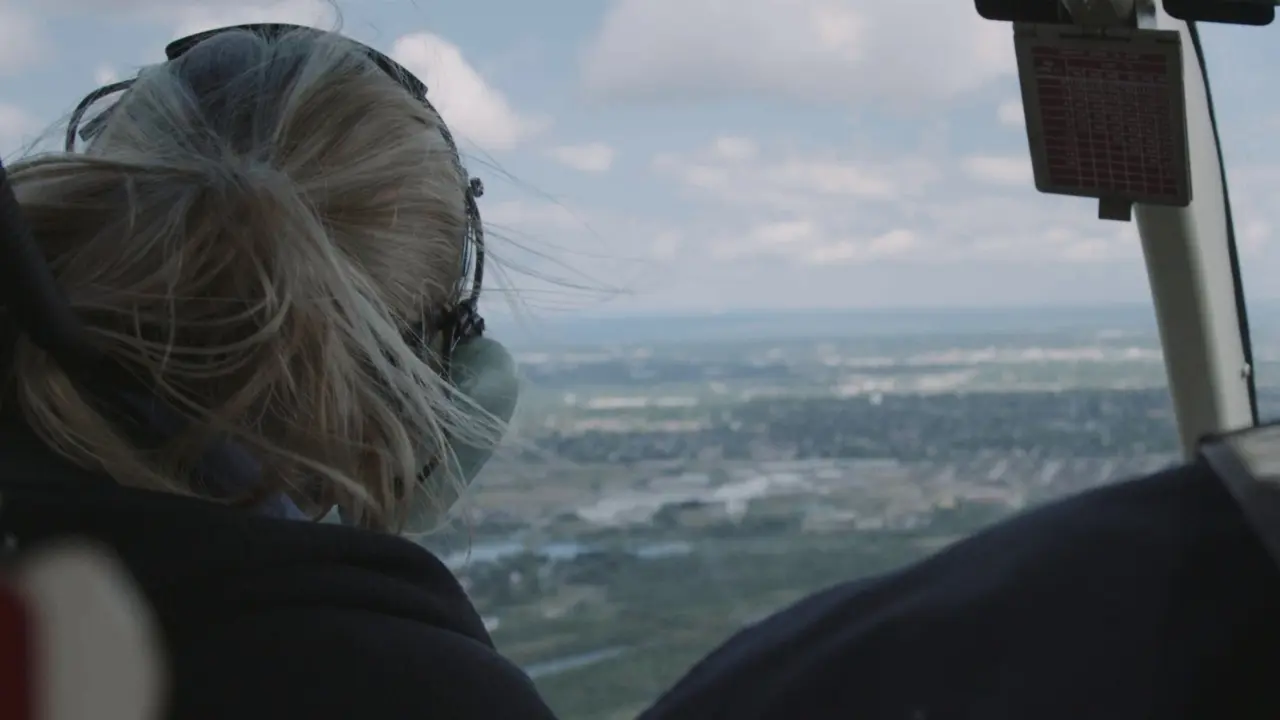
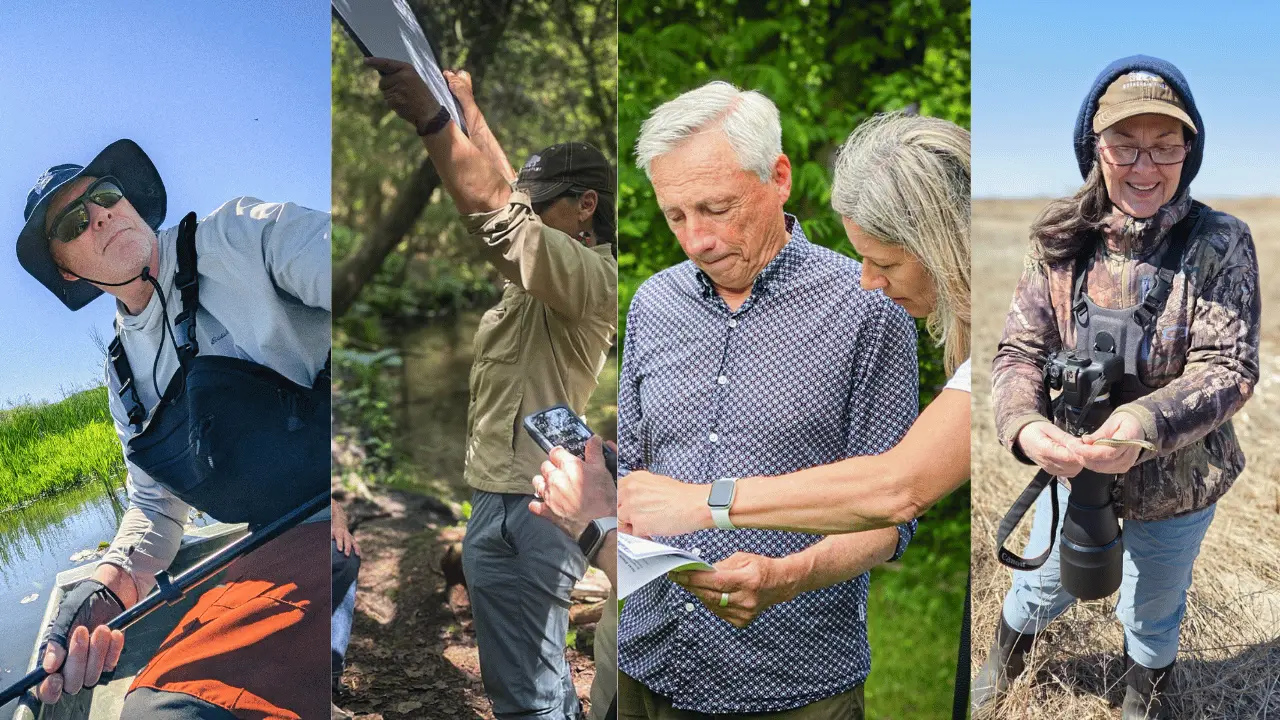
We started our 2026 filming work at a research lab at the University of Toronto. Then we went in search of filming one of Canada’s rarest fishes. And we’ll soon be back again looking for one of Canada’s rarest fishes. Truth bomb: You can’t find one of Canada’s rarest fish in a single trip! We’ve also started filming a video for a multi-million dollar conservation campaign that will be announced later this year. Work will continue on this project throughout the spring and summer, as well as other productions. And this week we’re off to Toronto to film some groundbreaking conservation research. It’s a big scheduling effort this spring and it won’t let up through summer and autumn.
The stuff you don’t hear about
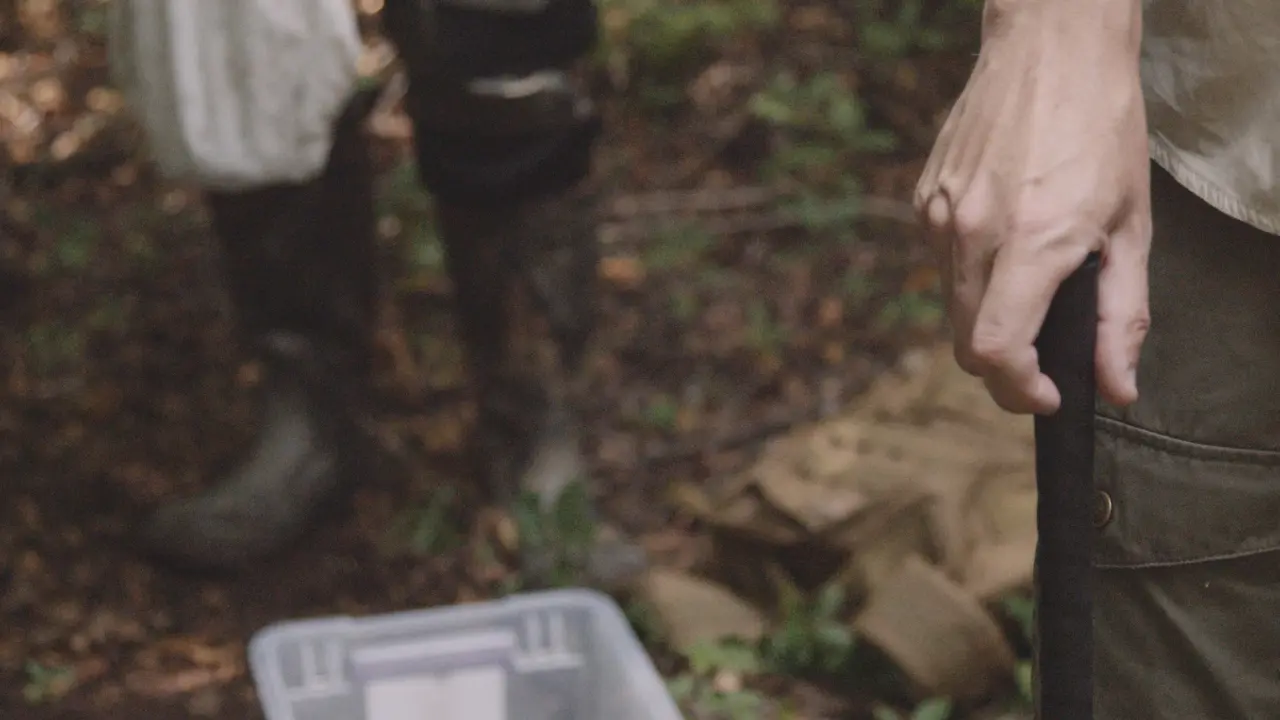
The behind-the-scenes stuff you rarely hear about are the tag-along hikes with biologists that aren’t necessarily “work” but more relationship building. There are always discoveries and conversations that can lay the foundation for future documentary ideas.
We hope this gives you an idea in what’s involved in what we do. There’s so many hours spent creating the foundation for work and relationship-building.

- Choosing Music for Conservation Films: More Than Just Background Sound - September 14, 2026
- We’re Looking for Conservation Partners - August 25, 2026
- What “Independent” Means at WorkCabin Films - August 23, 2026